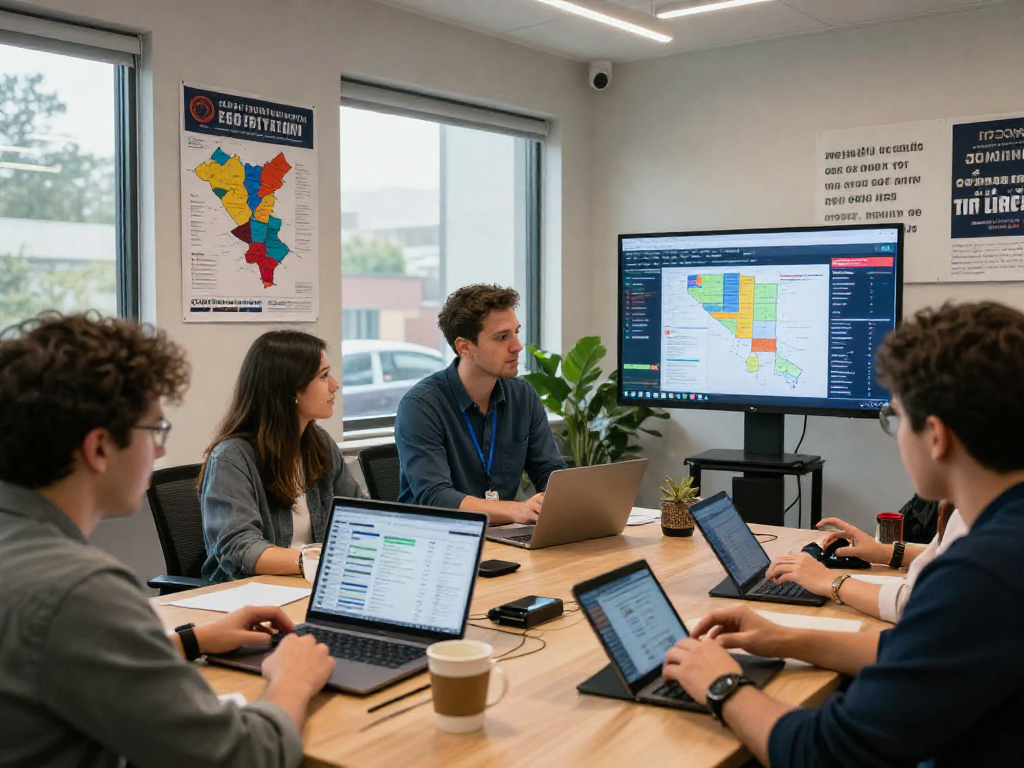
Understanding the Typing Center Landscape
What is a Typing Center?
A typing center is a dedicated facility where skilled professionals provide typing and related services to meet various business and personal needs. These centers are increasingly essential in today’s fast-paced, information-driven world, offering services ranging from document transcription to data entry. They cater to individuals, organizations, and businesses that require efficient and accurate typing solutions for different types of documents and projects. In an age where efficiency is paramount, utilizing a typing center can significantly enhance productivity.
Types of Services Offered
Typing centers offer a diverse array of services designed to accommodate the varying needs of clients. The most common services include:
- Document Transcription: Transcribing audio or video recordings into written text.
- Data Entry: Inputting data into systems or databases quickly and accurately.
- Formatting Services: Ensuring documents adhere to specific styles and formats, enhancing their professionalism.
- Editing and Proofreading: Reviewing documents for grammatical errors and ensuring clarity.
- Translation Services: Converting documents from one language to another while maintaining meaning and context.
- Resume and Cover Letter Creation: Crafting professional resumes and cover letters for job seekers.
- Academic Services: Support for students, including thesis typing and formatting research papers.
Benefits of Using a Typing Center
Choosing to work with a typing center offers numerous advantages, including:
- Expertise and Speed: Trained typists can produce written content faster and with greater accuracy than the average person.
- Cost-Effectiveness: Outsourcing typing tasks can be more cost-effective than hiring a full-time employee.
- Focus on Core Activities: Businesses can focus on their core functions while delegating typing tasks to professionals.
- Improved Quality: Professional typists ensure high accuracy and attention to detail, reducing errors.
- Scalability: Typing centers can scale services based on the volume and complexity of work required, accommodating varying needs.
How to Choose the Right Typing Center
Evaluating Your Needs
Before selecting a typing center, it's crucial to assess your specific requirements. Ask yourself:
- What type of documents or data do I need typed?
- What is the volume or frequency of typing work required?
- Do I need additional services such as editing or formatting?
- What is my budget for these typing services?
By answering these questions, you can narrow down your options to centers that align with your needs.
Key Features to Consider
When evaluating typing centers, consider the following features to ensure you find the right fit:
- Turnaround Time: Understand the average completion time for various projects.
- Quality Assurance Processes: Inquire about how they ensure accuracy and quality in their work.
- Data Security Policies: Ensure that the center has robust measures to protect sensitive information.
- Customer Service: Assess how responsive and helpful the staff is when you have inquiries.
- Experience and Expertise: Look for centers with a proven track record and expertise in your specific area of need.
Comparing Costs and Services
Cost transparency is vital when choosing a typing center. Obtain quotes and understand what services are included in the pricing. Consider comparing several options to find the best balance between cost and quality. Keep an eye out for:
- Hourly rates versus project-based fees.
- Any extra charges for expedited services or additional revisions.
- Package deals or discounts for bulk projects.
Ultimately, the goal is to find a typing center that provides value for money while meeting your expectations.
Common Challenges in Typing Centers
Quality Control Issues
Maintaining high-quality output is a common challenge for typing centers. Poor quality can arise from several factors, including lack of training, inadequate proofreading, or rushed work. To combat these issues, choose a center that implements rigorous quality control measures. This may include:
- Multiple rounds of proofreading.
- Utilization of spell-checking and grammar tools.
- Regular training for typists on best practices and updates in typing standards.
Managing Turnaround Times
Atypical workloads or unexpected requests can lead to challenges in meeting tight deadlines. Effective communication about deadlines and expectations is essential. Consider selecting a typing center that:
- Offers flexible scheduling options.
- Has staff available to handle urgent requests.
- Utilizes project management tools to keep track of workloads and deadlines.
Understanding Data Security
Data breaches and mishandling of sensitive information can severely impact trust and credibility. Ensure you choose a typing center with strong data security policies, such as:
- Confidentiality agreements with clients.
- Secure data storage and transfer methods, such as encryption.
- Protocols for securely deleting data after project completion.
Best Practices for Working with Typing Centers
Establishing Clear Communication
Effective communication is vital for the success of any project with a typing center. Ensure clarity in your instructions, including the format you need, deadlines, and any specific terminologies or styles that should be used. Prioritize open dialogue throughout the process to address any questions or issues promptly.
Setting Realistic Expectations
Setting realistic expectations regarding deadlines and outcomes is crucial. Understand that high-quality work takes time. Allow for revisions and feedback loops to elevate the final output. Discuss your expectations upfront and stay flexible to accommodate the typing center’s workflow limitations.
Maintaining Consistent Feedback
Regularly providing feedback can aid in refining the services you receive. Highlight areas for improvement and commend any aspects well executed. Consistent feedback helps build a relationship of mutual respect and understanding, facilitating better future interactions.
Measuring the Effectiveness of a Typing Center
Key Performance Indicators
To gauge the effectiveness of a typing center, metrics must be established. Important KPIs might include:
- Accuracy rates concerning completed projects.
- Average turnaround times in comparison to set deadlines.
- Client retention rates reflecting satisfaction.
Client Satisfaction Metrics
Conducting client satisfaction surveys is an effective method for understanding how a typing center is performing. Metrics may include:
- Overall satisfaction ratings.
- Likelihood of recommending services to others.
- Feedback on specific services provided.
Continuous Improvement Techniques
Identifying areas for improvement is crucial for any typing center's success. Techniques may include:
- Regularly reviewing feedback and making adjustments to services.
- Staying updated with industry trends and adapting services accordingly.
- Investing in staff training to enhance skills and increase efficiency.
FAQs:
What services do typing centers provide?
Typing centers offer services like document transcription, data entry, and formatting for a variety of business needs.
How quickly can I expect my documents?
Turnaround times vary by center; request specific timelines based on urgency and complexity of your project.
Are typing centers secure for sensitive information?
Many typing centers prioritize data security; inquire about their confidentiality agreements and data protection measures.
Can I request revisions after submission?
Yes, most typing centers allow for revisions; check their policies for specifics on revision requests and associated costs.
What is the cost structure for typing services?
Costs typically depend on service type, document length, and turnaround time; request a quote for accurate pricing.