The Importance of Accent Walls
Defining Accent Walls
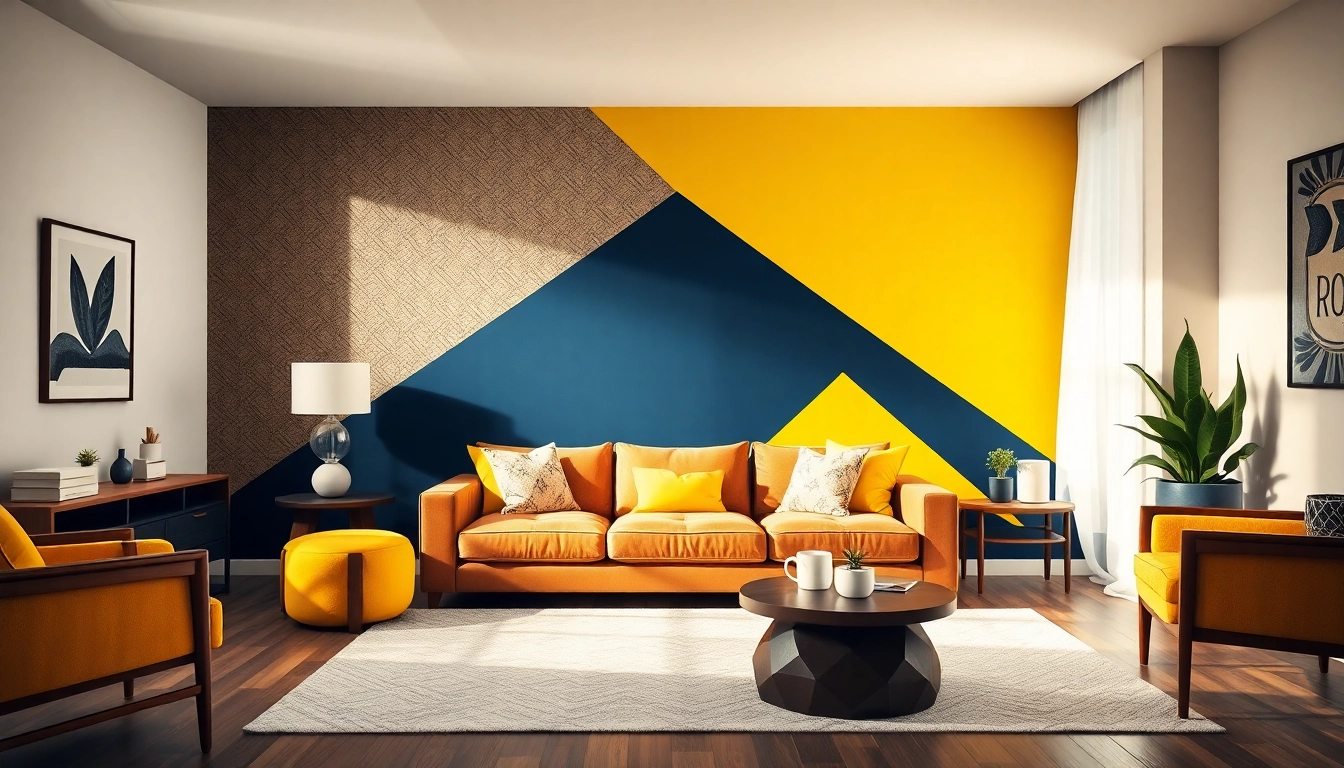
Accent walls, also known as feature walls, are a single wall in a room that is painted or adorned differently from the other walls. This distinctive treatment can involve a bold color choice, a unique pattern, or different materials altogether. The primary goal is to create a focal point that draws the eye and enhances the overall design of the space. An accent wall acts as an anchor amongst the surrounding decor and can help to define specific areas in an open concept living environment.
Benefits of Using Accent Walls
The benefits of incorporating accent walls into your home decor go beyond mere aesthetics; they can significantly impact the feel and functionality of a space. Here are a few advantages:
- Visual Interest: Accent walls create a dynamic visual contrast, enhancing the overall look of a room.
- Focal Point Creation: They draw attention, making it easier to highlight specific features like artwork or furniture.
- Spatial Definition: In open floor plans, accent walls can delineate different areas without using physical barriers.
- Flexibility: Choosing temporary materials like paint or removable wallpaper allows for easy updates.
- Personal Expression: Accent walls provide an opportunity to showcase personal style and creativity through unique designs and colors.
Common Misconceptions
Despite their popularity, accent walls come with a few common misconceptions that can deter homeowners from exploring this design option. Let's debunk some of them:
- They Limit Your Decor: Many believe accent walls restrict the choice of decor. In fact, they complement various styles and enhance existing decor.
- They Only Work with Bright Colors: Neutral tones can also work beautifully; it's all about texture and contrast.
- Too Trendy to Last: While trends evolve, a well-chosen accent wall can remain stylish for years.
Choosing the Right Color for Accent Walls
Color Theory Explained
Understanding color theory is fundamental when selecting a hue for your accent wall. Colors have psychological effects that can influence mood and atmosphere. For example, warm colors like red and orange evoke energy, while cool colors like blue and green create calmness. This can affect the overall emotional impact of your space.
Impact of Colors on Mood
The choice of color can significantly alter the dynamics of a room. For instance, a deep blue accent wall can instill tranquility, making it ideal for a bedroom or meditation space. Conversely, a vibrant yellow can infuse energy and creativity, suitable for a home office or playroom. Recognizing the impacts of color preferences is crucial for cultivating the desired environment.
Combining Colors Effectively
Complementing your accent wall with carefully chosen colors from your room's palette is vital. Utilizing the color wheel, you can create harmonious aesthetics by playing with analogous colors (those next to each other) or contrasting complementary colors (those opposite). This careful planning can result in a cohesive color scheme that enhances space.
Materials and Textures for Accent Walls
Paint vs. Wallpaper
When it comes to accent walls, the choice between paint and wallpaper can make a significant difference in both style and maintenance. Paint is versatile and easy to apply, allowing for quick updates. It also offers an array of finishes, from matte to glossy, affecting the wall's visual appeal. On the other hand, wallpaper can introduce exciting textures and patterns, creating a unique look that's often harder to achieve with paint alone. The decision ultimately depends on your decor style and maintenance preferences.
Using Wood and Other Materials
For a more organic look, wood can be a stunning choice for accent walls. Whether you opt for reclaimed wood, shiplap, or paneling, the natural texture and warmth of wood can create a cozy atmosphere. Other materials, such as stone, metal, or even fabric, can also be used to create striking accent walls that have distinctive character.
Texture Considerations for Visual Appeal
Texture is another crucial aspect of accent wall design. Adding depth and dimensionality creates richness and interest. Consider options like textured paint, 3D wall panels, or tile. Texture can make a space feel more inviting and warm, drawing people in and encouraging interaction.
Design Ideas for Accent Walls
Contemporary Styles
In contemporary design, simplicity and minimalism prevail. An accent wall in a sleek, bold color paired with modern art can make a statement without overwhelming the space. Geometric patterns or a monochromatic palette can also add to the modern aesthetic while enhancing visual interest.
DIY Ideas for Personal Touch
DIY projects can infuse your accent wall with personal flair. Consider stenciling, sponge painting, or using removable wallpaper to create unique designs that express your creativity. Even a gallery wall featuring personal photos or art can act as an effective and authentic accent wall.
Incorporating Art and Decor
Incorporating art and decor into your accent wall can elevate its design and personalize the space. Strategically placing shelves or frames allows for display options that transform your wall into a living art piece. Choose artwork that complements the wall's color and texture for a cohesive look.
Maintaining and Updating Accent Walls
Cleaning and Upkeep Tips
The upkeep of accent walls varies depending on the materials used. Painted walls usually require light touch-ups, while wallpaper may need more careful cleaning. For both, regular dusting and occasional washes can preserve their look. Utilizing protective finishes on wood or other textured surfaces can also help maintain their integrity.
Refreshing Colors and Styles
To keep your accent walls looking fresh, consider periodic updates. This could mean simply changing the decor or more significantly, repainting or rewallpapering. Seasonal updates can also bring new life, making your home feel new and engaging.
Knowing When to Redesign
Understanding when to redesign your accent wall is key to maintaining an appealing space. Signs include fading colors, damage, or simply a shift in personal style. Regular assessment allows for timely updates that keep your home feeling current and stylish.
FAQs About Accent Walls
1. What is the purpose of an accent wall?
An accent wall creates a focal point in a room, adding visual interest and helping define spaces, especially in open layouts.
2. Can I use dark colors for an accent wall?
Yes! Dark colors can add drama and sophistication, creating a stunning contrast with lighter-colored walls.
3. How do I choose the right color for my accent wall?
Consider the room's mood, existing colors, and the effects of different hues, using color theory to guide your decision.
4. Is it hard to maintain an accent wall?
Maintenance depends on materials used; painted walls need touch-ups, while wallpaper requires careful cleaning to avoid damage.
5. How often should I update my accent wall?
It’s ideal to reassess your accent wall every few years or when you notice wear or a shift in design preferences.