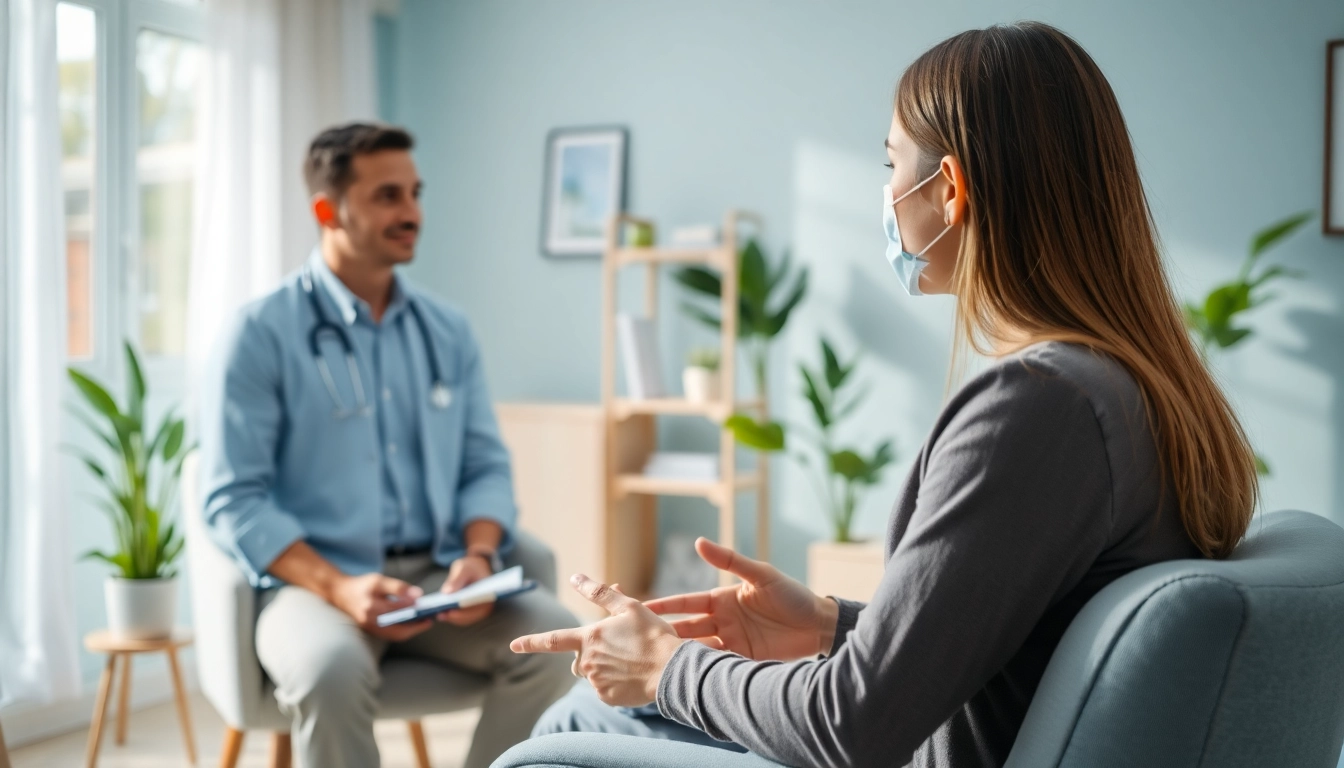
Identifying Anxiety Symptoms
Recognizing anxiety symptoms can be a crucial first step toward achieving mental wellness. Anxiety manifests in diverse ways, ranging from physical sensations to cognitive disturbances and emotional responses. This section explores various anxiety symptoms, helping individuals identify their unique experiences accurately.
Common Physical Anxiety Symptoms
Physical symptoms of anxiety can often be mistaken for other health issues or stress reactions. These symptoms may vary significantly across individuals but often include:
- Increased Heart Rate: Rapid heartbeat can be alarming and is commonly associated with anxiety.
- Shortness of Breath: Individuals may feel as though they cannot breathe deeply enough, which can exacerbate feelings of panic.
- Trembling or Shaking: Uncontrollable shaking can indicate acute anxiety, often accompanied by heightened emotional states.
- Muscle Tension: Chronic anxiety often leads to tense muscles, resulting in discomfort or pain.
- Fatigue: Persistent anxiety can be exhausting, leading people to feel physically drained and lethargic.
- Nausea or Digestive Issues: Anxiety may cause gastrointestinal distress, including nausea, diarrhea, or a loss of appetite.
- Headaches: Tension headaches are a common way for the body to respond to stress and anxiety.
Understanding these symptoms is essential for self-awareness and seeking appropriate support when necessary.
Cognitive Signs of Anxiety
Cognitive symptoms often involve the ways in which anxiety influences thought processes. They can include:
- Constant Worrying: Individuals may find themselves preoccupied with catastrophic thinking or worrying about everyday situations excessively.
- Difficulty Concentrating: Anxiety can impair focus, making it challenging to complete tasks or engage in conversations.
- Racing Thoughts: A chaotic whirlwind of thoughts can disrupt a person’s ability to engage in rational thinking.
- Fear of Losing Control: Many people with anxiety fear they might lose control over their actions or emotions.
- Obsessive Thoughts: Intrusive thoughts or compulsive behaviors may arise as coping mechanisms for anxiety.
Being aware of these cognitive signs enables individuals to seek strategies to manage and address these challenges effectively.
Emotional Indicators of Anxiety
Emotional symptoms of anxiety can often feel overwhelming. They may include feelings such as:
- Intense Fear or Panic: Episodes of panic, often accompanied by physical symptoms, can be debilitating.
- Feelings of Hopelessness: Chronic anxiety can lead individuals to feel a profound sense of despair.
- Irritability: Increased irritability and frustration toward minor inconveniences can reflect underlying anxiety.
- Social Withdrawal: Anxiety may cause individuals to avoid social situations or isolate themselves.
- Lack of Motivation: Persistent feelings of fear or apprehension can lead to a lack of enthusiasm for activities once enjoyed.
Recognizing these emotional indicators helps individuals articulate their experiences, which is crucial for seeking support.
Understanding the Impact of Anxiety Symptoms
Anxiety is not merely a personal struggle; it can significantly impact daily life and overall well-being. Understanding its effects is vital for grasping the importance of treatment and management.
Daily Life Challenges Faced
Individuals coping with anxiety may face numerous challenges in their daily lives, including:
- Difficulty Performing at Work: Anxiety symptoms can lead to missed meetings, reduced productivity, and strained work relationships.
- Challenges in Personal Relationships: The emotional and physical toll of anxiety can lead to misunderstandings and conflicts with friends and family.
- Inability to Engage in Everyday Activities: Tasks such as grocery shopping or attending social events can become daunting, leading to avoidance.
- Declining Physical Health: Chronic stress and anxiety can also lead to physical health challenges, including cardiovascular issues.
Addressing these daily challenges is crucial for overall quality of life and self-esteem.
Long-term Effects of Neglected Anxiety
If left unaddressed, anxiety can lead to severe long-term consequences, including:
- Chronic Health Problems: Ongoing anxiety can contribute to issues such as heart disease, diabetes, and gastrointestinal disorders.
- Substance Abuse: Individuals may turn to alcohol or drugs as a method of coping with anxiety’s overwhelming nature.
- Depression: Untreated anxiety often leads to feelings of hopelessness and despair, frequently resulting in co-occurring depression.
- Impaired Quality of Life: The accumulation of anxiety symptoms can impair overall life satisfaction and happiness.
Recognizing these potential long-term effects highlights the importance of seeking timely intervention.
Impact on Relationships
Anxiety symptoms can have profound effects on interpersonal relationships, such as:
- Miscommunication: Conflicting emotions can lead to misunderstandings between partners or friends.
- Isolation: Anxious individuals may pull away from social interactions, leading to feelings of loneliness.
- Emotional Turmoil: Friends and family may not understand a loved one’s anxiety, leading to frustration or anger.
- Dependence on Others: Anxiety may cause individuals to rely heavily on friends or family for support, putting stress on relationships.
Being aware of these impacts allows individuals to communicate better with loved ones about their experiences and needs.
Effective Strategies for Managing Anxiety Symptoms
Empowering oneself with effective strategies for managing anxiety can significantly improve overall well-being and quality of life.
Coping Mechanisms and Techniques
Individuals can adopt several coping mechanisms to manage anxiety symptoms, such as:
- Mindfulness and Meditation: Practicing mindfulness can help ground individuals in the present moment, reducing anxiety.
- Deep Breathing Exercises: Controlled breathing techniques can help immediately alleviate physical symptoms of anxiety.
- Regular Physical Activity: Exercise is known to release endorphins, helping to improve mood and reduce anxiety levels.
- Establishing a Routine: Having a structured daily routine can provide predictability and reduce anxiety about the unknown.
- Limiting Caffeine and Sugar: Reducing intake of stimulants can help decrease feelings of anxiety.
These strategies can be personalized to fit individual preferences and lifestyles for more effective management.
Therapeutic Approaches
Professional therapies offer valuable support in managing anxiety symptoms. These can include:
- Cognitive Behavioral Therapy (CBT): CBT is highly effective in addressing anxious thoughts and behaviors, equipping individuals with tools to reshape their responses.
- Exposure Therapy: This approach gradually exposes individuals to their fears, helping to reduce anxiety responses over time.
- Dialectical Behavior Therapy (DBT): DBT focuses on mindfulness and emotional regulation, aiding those with anxiety-related emotional challenges.
- Group Therapy: Sharing experiences with others facing similar challenges can create a supportive atmosphere that fosters healing.
These therapeutic approaches allow individuals to understand and manage their anxiety in productive ways.
Developing a Support System
Having a strong support system is essential in managing anxiety. Steps include:
- Identifying Trusted Individuals: Friends, family, or support groups can provide emotional support and encouragement.
- Communicating Needs: Open discussions about anxiety can promote understanding and reduce feelings of isolation.
- Seeking Help Together: Encouraging loved ones to attend therapy sessions or support groups with you can enhance emotional support.
- Building a Community: Joining local or online support groups can foster connection with those who understand the anxiety struggle.
A robust support network can offer both emotional validation and practical help in managing anxiety symptoms.
When to Seek Professional Help for Anxiety Symptoms
Knowing when to seek professional help is essential for effective anxiety management. This section provides guidance on recognizing these moments.
Recognizing Warning Signs
Individuals should seek professional help if they experience:
- Persistent Symptoms: If anxiety symptoms are causing ongoing distress or impairment in daily functioning.
- Self-Medication: If there is a tendency to use drugs or alcohol to cope with anxiety.
- Suicidal Thoughts: Experiencing thoughts of self-harm or suicide requires immediate professional attention.
- Physical Symptoms: Severe physical health issues related to anxiety should always be discussed with a healthcare professional.
Recognizing these signs early can aid in obtaining timely help and preventing further complications.
Types of Professionals to Consult
Several professionals can assist individuals experiencing anxiety, including:
- Psychoanalysts: These professionals delve deep into emotional issues and conflicts that may be contributing to anxiety.
- Clinical Psychologists: These experts specialize in diagnosing and treating mental health disorders, including anxiety.
- Psychiatrists: As medical doctors, they can prescribe medications and adopt a holistic approach to treatment.
- Licensed Therapists or Counselors: They provide various therapeutic interventions tailored to individual needs.
Consulting the right professional based on individual needs can significantly enhance treatment outcomes.
Benefits of Therapy and Medication
Seeking professional help through therapy and medication can offer numerous benefits, including:
- Personalized Treatment: Professionals can tailor treatment plans based on an individual's specific symptoms and needs.
- Improved Coping Skills: Therapy can equip individuals with essential skills to navigate anxiety-provoking situations.
- Medication for Severe Cases: Medication may help manage intense symptoms that therapy alone cannot address effectively.
- Long-term Management: Ongoing support and treatment can lead to sustained positive outcomes and decreased anxiety levels over time.
Effective collaboration with healthcare professionals can significantly improve quality of life for those struggling with anxiety.
Frequently Asked Questions about Anxiety Symptoms
What are the most common anxiety symptoms?
The most common anxiety symptoms include increased heart rate, shortness of breath, trembling, muscle tension, and excessive worrying. Identifying these symptoms is the first step towards managing anxiety effectively.
How can I differentiate between anxiety and stress?
Anxiety persists over time and may not be linked to an identifiable stressor, while stress is typically a response to specific challenges or demands. Anxiety is often characterized by irrational fears and physical symptoms.
Are anxiety symptoms always the same for everyone?
No, anxiety symptoms can vary widely between individuals. Factors such as personality, environment, and life experiences contribute to these differences in symptom manifestation.
What can trigger anxiety symptoms in individuals?
Triggers can include stressful life events, significant changes, health issues, or even certain thought patterns. Knowing these triggers can help in developing effective coping strategies.
How effective is therapy in managing anxiety symptoms?
Therapy is highly effective in managing anxiety symptoms. Approaches like CBT can help individuals alter negative thought patterns, improve coping skills, and foster resilience.