

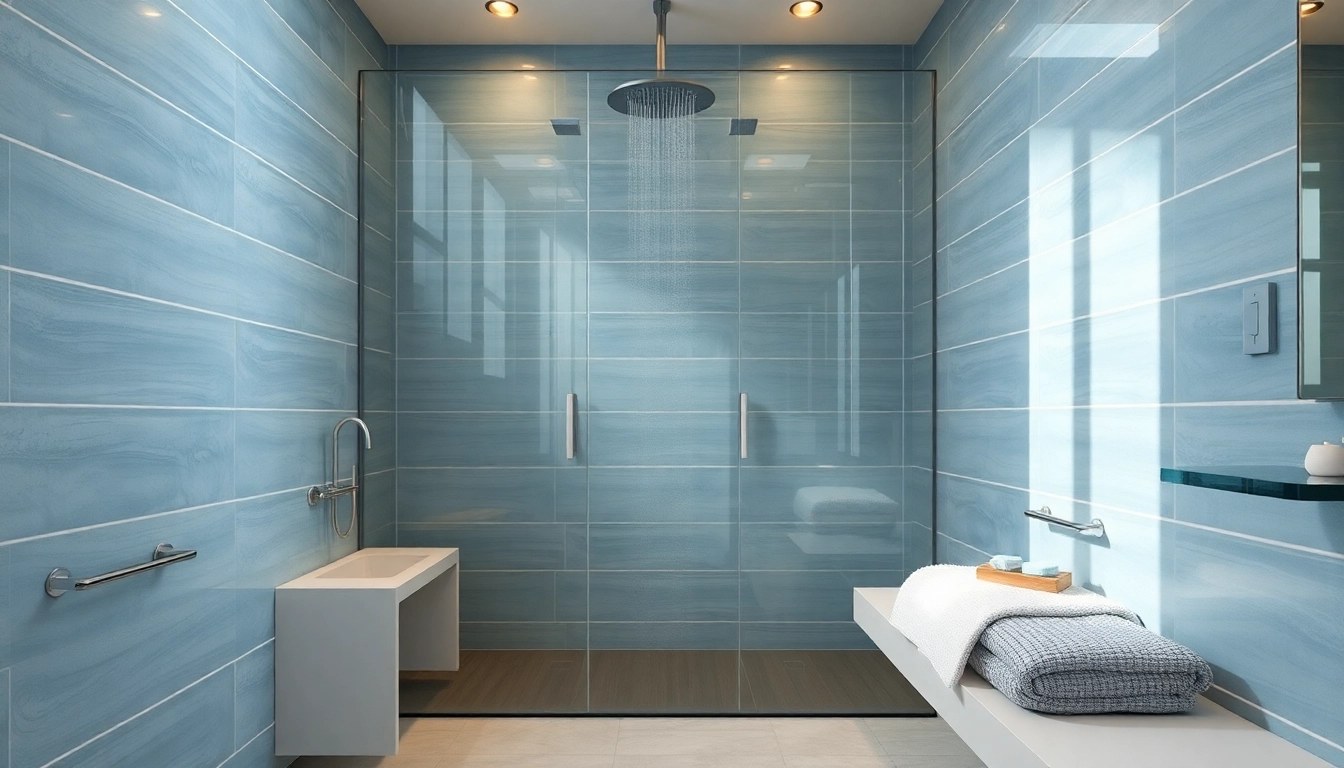
Types of Showers for Every Preference
Choosing the right shower can significantly enhance your daily routine. With various styles and functionality to consider, it’s essential to explore the different types available to ensure they align with your preferences and needs. Whether you prioritize convenience, efficiency, or design, the wide range of shower uk options allows you to create an optimal experience.
Electric Showers: Convenience and Efficiency
Electric showers are a popular choice in the UK, providing immediate hot water on demand. They operate independently of your household hot water system, which means you can install one anywhere, provided you have an electrical supply. An electric shower heats cold water as it passes through the unit, allowing you to enjoy a hot shower without the need for a hot water tank.
These showers come with various power ratings, with higher kilowatt (kW) ratings offering better performance, especially in lower water pressure areas. An electric shower’s simplicity and ease of installation often make it a favorite among homeowners, particularly for small bathrooms or where space is limited.
Mixer Showers: Perfect Temperature Control
Mixer showers blend hot and cold water together to create the desired temperature before it exits the showerhead. These are typically plumbed into both the hot water system and the cold mains supply. Mixer showers are available in various styles, from minimalist designs to more traditional aesthetics, making them a versatile choice for any bathroom.
They provide consistent water temperature and pressure, however, are dependent on the availability of both hot and cold water sources. This can be an essential factor in larger households, particularly in busy mornings, where several showers may be in use simultaneously.
Power Showers: The Ultimate Showering Experience
For those who crave a more invigorating experience, power showers enhance the showering experience by using a built-in pump to boost water pressure. This makes them excellent for homes with low water pressure, ensuring a strong and revitalizing flow regardless of the water source.
Power showers integrate both hot and cold water supply, allowing users to mix to the desired temperature easily. They are also available in a variety of designs and functionalities, including options with digital controls for added convenience.
Essential Shower Accessories to Enhance Your Experience
Investing in quality shower accessories can elevate your shower experience, combining practical functionality with aesthetic appeal. Choosing the right accessories helps enhance the overall ambiance of your bathroom and improve your shower’s performance.
Choosing the Right Shower Head
The shower head can make a significant difference in your showering experience. When selecting one, consider the spray pattern, which can range from a gentle mist to a powerful jet. Rainfall shower heads are increasingly popular for their luxurious feel, while handheld options provide flexibility for various tasks.
Moreover, water efficiency ratings are crucial in the UK, particularly as sustainable practices gain traction. Low-flow shower heads allow water savings without sacrificing performance, making them a wise choice for environmentally-conscious homeowners.
Shower Trays: Functionality and Style
A shower tray is essential for directing water safely to the drain while adding style to your bathroom. They are available in multiple shapes and materials including acrylic, stone resin, and ceramic. Choosing a shower tray that complements your bathroom decor enhances the visual appeal while ensuring practicality.
Additionally, ensure the shower tray’s height works well with the overall bathroom drain system to facilitate proper drainage and prevent any leak issues. Raised trays can make cleaning easier, while low-profile designs may appeal for an ultra-modern aesthetic.
Water Filters for Healthier Showers
Water filters can significantly enhance the quality of your shower experience. They remove harmful chemicals, impurities, and chlorine that can damage hair and skin. By opting for a shower filter, you’ll enjoy water that’s gentler on your body while still being effective in cleansing.
Consider the type of filter that fits well with your existing plumbing. Some models attach directly to the shower head, while others can be integrated into your plumbing system. Regular maintenance is key to ensure they operate effectively, enhancing the longevity of your shower components.
Shower Installation: Step-by-Step Guide
Installing a shower can be a daunting task, but with proper planning and execution, you can achieve incredible results. Below, we’ll explore the necessary steps and requirements to ensure a successful installation.
Preparing Your Bathroom for Installation
Before you begin installing a shower, streamline your space. Clear the area of any obstacles, gather the necessary tools, and ensure you have all your components on hand. This prep work can make a significant difference in the efficiency of your installation.
Check your plumbing and electrical connections to confirm they meet local building regulations and are suitable for the shower you plan to install. If you’re new to plumbing or electrical work, consulting a professional may be a wise choice.
Common Installation Pitfalls to Avoid
Common mistakes during shower installation often stem from inadequate preparation. Failing to measure your space accurately can lead to issues with fit. Ensure that all connections are tight to prevent leaks, and always follow manufacturer instructions to avoid damaging components.
Always verify the condition of existing plumbing and electrical connections to avoid costly rewiring or repiping further down the line. Investing time in preparation can save major headaches later.
Professional vs. DIY Installation: What to Consider
Deciding between professional installation and a DIY approach comes down to experience, budget, and comfort level. Professional plumbers can provide peace of mind with guaranteed work, whereas DIY projects can save money if you’re confident in your skills.
Always weigh the benefits of hiring a professional, especially for complicated installations involving electrical work or plumbing modifications. Consulting a pro can help ensure compliance with local regulations and codes.
Maintaining Your Shower for Longevity
Regular maintenance is key to a long-lasting and visually appealing shower. By following essential maintenance practices, you can extend the life of your shower and enhance its performance.
Regular Cleaning Routines for Optimal Performance
Establish a cleaning routine to prevent grime buildup and improve hygiene. Use non-abrasive cleaners and tools to maintain surfaces without damaging them. Be vigilant about cleaning showerheads to ensure optimal water flow and pressure.
Frequent checks for any leaks or discolorations can address potential issues before they escalate into costly repairs. Incorporating natural cleaning solutions such as vinegar can also enhance your cleaning routine without harsh chemicals.
Identifying and Tackling Common Issues
Pay attention to signs of wear, such as leaks, rust, or reduced water pressure. These often signal underlying issues that require prompt attention. Regular inspections can detect problems early, such as buildup in pipes or deteriorating seals around fixtures.
Addressing issues as they arise prevents more extensive damage and may save on repair costs. Consider keeping a toolkit handy with essential items for quick fixes.
Upgrades and Renovations to Consider
When you notice certain aspects of your shower aging or become less efficient, consider upgrades to enhance functionality. Smart shower technology, such as digital controls, rainfall systems, and multi-functional shower heads can renew your bathing experience.
Renovations can also enhance your bathroom aesthetic, making it a focus within your home. Upgrading tiles, adding decorative features or lighting, and replacing shower doors can fundamentally alter the shower experience.
FAQs About Showers in the UK
What types of showers are available in the UK?
Common types include electric showers, mixer showers, and power showers. Each offers unique features suited to various preferences and plumbing systems.
How often should I clean my shower?
It’s recommended to clean your shower weekly to prevent mold and soap scum buildup. Regular cleaning prolongs the lifespan of fixtures and enhances hygiene.
Can I install a shower myself?
Yes, if you are confident in your plumbing and electrical skills. However, complicated systems might benefit from professional installation to ensure compliance with regulations.
What shower accessories are beneficial?
Helpful accessories include quality shower heads, water filters for enhanced water quality, and effective cleaning tools. All contribute to a better showering experience.
How to optimize water usage while showering?
Install low-flow shower heads, take shorter showers, and consider a water-efficient system. Reducing shower time and flow helps conserve water without sacrificing comfort.