
Overview of Saltwater Fly Fishing
What is Saltwater Fly Fishing?
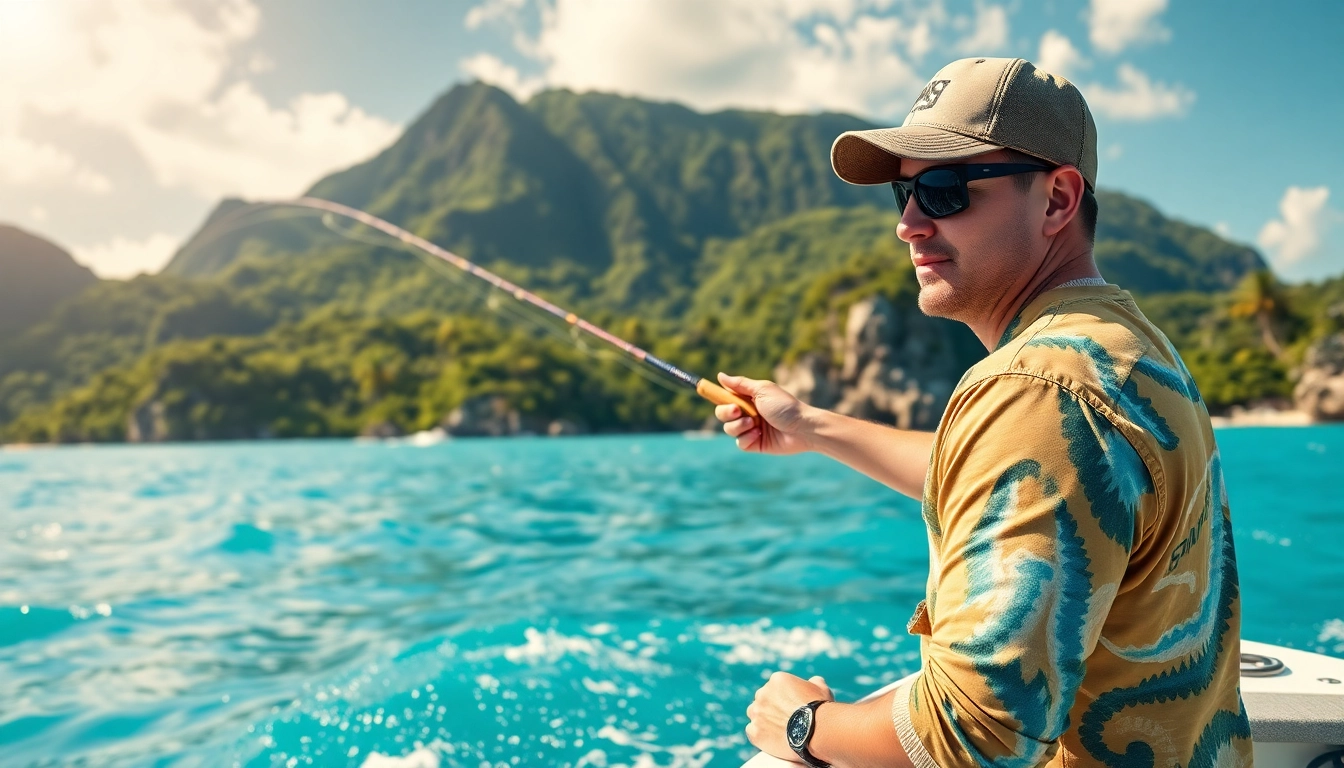
Saltwater fly fishing is both an art and a science, combining the thrill of angling with the beauty and vastness of the ocean. Unlike traditional fishing methods, which often rely on bait or conventional lures, saltwater fly fishing employs specially designed flies that mimic the movements and characteristics of aquatic creatures. Anglers cast these lightweight flies using a fly rod and reel—equipment that’s crucial for achieving the delicate presentation required in saltwater environments. The goal is to entice a variety of fish species that inhabit coastal waters, flats, and deep sea zones. If you’re intrigued and eager to dive deeper into the world of saltwater fly fishing, there’s much to explore.
Importance of Location in Saltwater Fly Fishing
Location is paramount in saltwater fly fishing, as different species of fish inhabit varying habitats within the ocean. Coastal zones, estuaries, and coral reefs provide a plethora of fishing opportunities, each requiring specific approaches and knowledge. Understanding the unique characteristics of these environments—including water temperature, salinity levels, and structure—can greatly increase the chances of a successful fishing trip. For instance, barracuda and tarpon are often found in warmer, shallow waters, while species like snapper and grouper prefer deeper structures.
Target Species and Habitats
The diversity of species available in saltwater fishing is astonishing, with popular targets including tarpon, bonefish, permit, redfish, and various types of snapper and grouper. Each species has its own preferred habitat. For example, bonefish thrive in sandy flats and shallow waters with grassy beds, while tarpon are often found around mangroves and estuaries. Understanding the behavior, feeding patterns, and locations of these target fish is essential for formulating any effective fishing strategy. Tides play a crucial role too—many species feed more actively during specific tidal movements, so timing your fishing trips can lead to a more fruitful outing.
Essential Gear for Saltwater Fly Fishing
Choosing the Right Fly Rod and Reel
Selecting the appropriate fly rod and reel is critical to success in saltwater fly fishing. Rods designed for saltwater fishing are typically longer and more robust than freshwater designs, usually ranging from 8 to 12 feet in length, with a heavier weight rating. For instance, a 9-weight fly rod is a popular choice for targeting species like redfish or smaller tarpon. Similarly, choosing a quality reel capable of holding enough line and with a strong drag system is vital. Anglers should consider materials like aluminum or composite, which offer durability in the corrosive saltwater environment.
Best Fly Lines for Saltwater Conditions
Choosing the right fly line is just as important as selecting the rod and reel. Saltwater fly lines come in various designs, including floating, sinking, and intermediate options, tailored for different fishing situations. Floating lines are typically effective for surface feeding species, while sinking lines can help reach fish that are feeding at greater depths. Additionally, lines with welded loops simplify connections to the leader and backing, enhancing overall efficiency during fishing. It’s advisable to select lines that are designed specifically for saltwater use, as they are more resistant to the damaging effects of salt and UV exposure.
Flies to Use for Saltwater Fishing
Flies used in saltwater fishing are designed to imitate the various baitfish and crustaceans that inhabit these waters. Popular choices include Clouser minnows, crab patterns, and shrimp imitations. Each pattern serves to mimic the movements and colors of the local forage species, enhancing the chances of attracting fish. Local knowledge can be invaluable when choosing flies, as certain patterns may be more effective depending on the water conditions, time of year, and targeted species. Additionally, having a selection of different sizes and colors can increase flexibility and adaptability during a fishing trip.
Techniques for Successful Saltwater Fly Fishing
Optimal Casting Techniques
Effective casting techniques are paramount in saltwater fly fishing. Given the potential for windy conditions and the need for long-distance casts, mastering the double haul is essential. This technique enables anglers to generate additional line speed and distance, ensuring the fly lands softly on the water’s surface without spooking nearby fish. Practicing casting on land before hitting the water can help to build muscle memory, allowing for smooth execution when the pressure is on during a fishing trip.
Reading the Water: Tides and Currents
Understanding how to read the water is crucial for maximizing fishing success in saltwater environments. Tides, currents, and even the weather can impact fish behavior significantly. For example, rising tides often trigger feeding activity, as fish move into shallower waters to hunt. Similarly, there are known areas such as channels, drop-offs, and structure where fish gather during certain tidal movements. Keeping track of local tide charts and learning how to observe the nuances of the water can provide valuable insights that directly influence fishing strategy.
Setting the Hook: Tips and Tricks
Setting the hook properly is an art in itself, especially in saltwater fly fishing where larger species can be tricky to land. Anglers must resist the urge to jerk the rod immediately upon feeling a tug; instead, a firm and smooth pull is advised. This allows the hook to lodge securely in the fish’s mouth. Additionally, maintaining tension throughout the fight is crucial, as saltwater species often make powerful runs. Employing a combination of patience and quick reflexes will enhance hook-setting effectiveness.
Best Destinations for Saltwater Fly Fishing
Top Coastal Locations Worldwide
There are countless coastal locations around the globe that are celebrated for their saltwater fly fishing opportunities. Destinations such as Florida Keys, Belize, and the Bahamas top the list, offering rich biodiversity and year-round fishing options. The Florida Keys, with its extensive flats, is particularly renowned for its bonefish and permit. In contrast, Belize is known for its stunning flatlands and the exceptional number of large tarpon that frequent its waters. Moreover, locations like Christmas Island and Seychelles present an ideal environment for fishing enthusiasts eager to tackle exotic species in picturesque settings.
Seasonal Considerations for Fishing Trips
Seasonality plays a critical role in saltwater fly fishing, influencing not only the species available but also their behavior patterns. Different fish species have peak feeding times depending on the season. For instance, tarpon fishing tends to peak in spring and summer, while species like striped bass might be more abundant in the fall. Understanding these patterns can help anglers plan their trips to align with optimal fishing conditions. Researching seasonal trends and local advice can significantly amplify the fishing experience.
Cultural Insights into Fishing Practices
Engaging with local fishing communities while traveling can enhance the saltwater fly fishing experience. Different cultures have unique practices and techniques that have evolved based on local conditions and species. For example, some regions practice catch-and-release, emphasizing conservation and sustainability, while others may incorporate their fishing techniques into cultural traditions. Learning from local anglers can provide invaluable insights and foster an appreciation for the practice while also supporting sustainable fishing practices.
Tracking Your Progress and Improving Skills
Keeping a Fishing Journal: Benefits
Maintaining a fishing journal can significantly enhance your skills as an angler. Recording details such as weather conditions, times of day, fly patterns used, and species caught can provide crucial data over time. Reviewing past records allows anglers to identify trends and patterns, leading to better decision-making on future trips. Additionally, journaling promotes reflection and personal growth regarding fishing strategies, fostering continuous improvement.
Analyzing Your Catch Rate
Understanding your catch rate is essential for evaluating your performance as a fly angler. By analyzing successful catches versus missed opportunities, you can identify areas that need improvement. This might involve adjusting your fishing techniques or experimenting with different flies under varying conditions. Tracking metrics such as the size and species of fish landed can also highlight strengths and weaknesses in your approach, ultimately guiding your journey to becoming a more proficient angler.
Connecting with the Fly Fishing Community
Connecting with fellow anglers and joining fly fishing communities can enrich your experience and expand your knowledge. Whether through online forums, local clubs, or fishing events, building relationships with other enthusiasts can provide valuable tips and camaraderie. Many experienced anglers are willing to share insights, making community engagement a powerful resource for learning and growth. Additionally, participating in group outings can provide a supportive environment that nurtures improvement and builds friendships.