Introduction to Petite Sirah
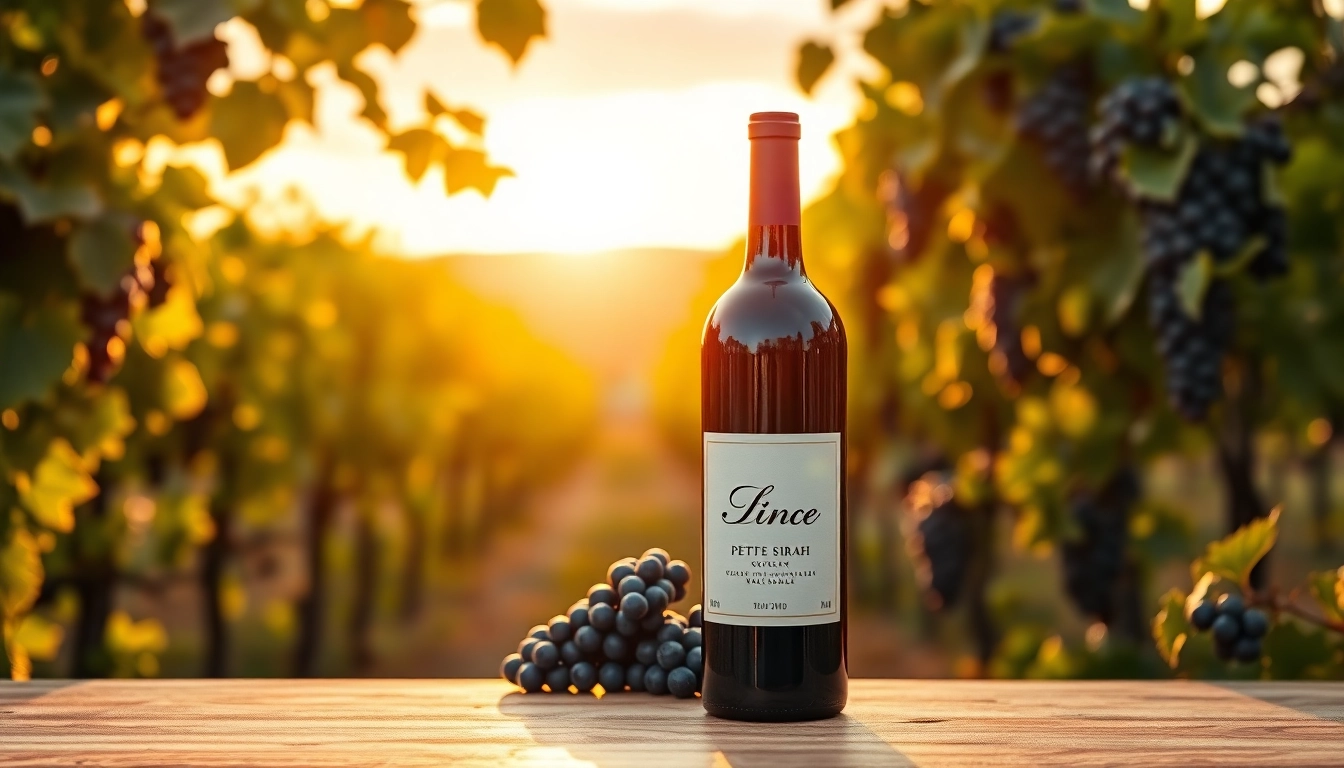
Among the sea of wine varietals available today, one stands out for its rich colors, robust flavors, and growing popularity: petite sirah. This intriguing grape offers wine enthusiasts a distinct experience, characterized by its bold character and delightful complexity. In this comprehensive guide, we will explore the key aspects of petite sirah, from its history and flavor profile to the ideal growing conditions and perfect food pairings.
Defining Petite Sirah
Often mistaken for its more well-known counterpart, Syrah, petite sirah is a unique varietal that offers a robust alternative for wine drinkers. Technically known as Durif, this grape is a cross between Syrah and the lesser-known Peloursin. Its name, “petite,” refers to the small size of the grape berries, which typically produce wines that are rich in tannins and color.
History and Origin of Petite Sirah
The roots of petite sirah trace back to the late 19th century in France’s Rhone Valley, where it was developed through the cross-pollination of Syrah and Peloursin. The grape found its way to California in the early 1900s, where it adapted remarkably well to the region’s climate and soil. Petite sirah enjoyed early popularity, especially in warmer regions of Napa and Sonoma, allowing winemakers to produce full-bodied wines with great aging potential.
Flavor Profile of Petite Sirah
Petite sirah is renowned for its intense flavor profile that can often surprise even the most seasoned wine enthusiasts. The wine typically exhibits deep, dark fruit flavors, including blackberry, plum, and black cherry. Accompanying these fruity notes are spicy undertones and hints of pepper, chocolate, and even leather. The high tannin content provides a velvety mouthfeel while contributing to its excellent aging potential, extending its flavor journey over many years.
Growing Conditions for Petite Sirah
Ideal Climate for Cultivation
Growing petite sirah successfully relies heavily on the right climate. This grape thrives in warm, dry regions with plenty of sunshine, a factor that encourages its fruit to ripen fully. Ideally, vineyards located in areas with high day and cool night temperature variations will produce grapes with optimal acidity and flavor concentration. California’s wine-producing regions, particularly Napa, Paso Robles, and Lodi, have proven to be exceptional for petite sirah cultivation.
Soil Types and Their Impact
The type of soil in which petite sirah is grown also plays a significant role in the final wine characteristics. Well-draining soils, such as sandy loam or gravelly soils, are preferred, as they prevent overwatering and allow the roots to reach deep for nutrients. These soils often lead to smaller yields, but the concentration of flavors in the grapes will improve significantly, leading to a more expressive wine. Understanding the terroir is crucial for winemakers aiming to bring out the best in their petite sirah.
Best Practices for Vineyard Management
Vineyard management for petite sirah requires careful attention to detail. Implementing practices like controlled irrigation, canopy management, and pest control ensures that the vines remain healthy while producing high-quality grapes. Pruning is also an essential practice, as it helps shape the vine for optimal sunlight exposure and airflow — crucial for disease prevention and achieving the best fruit quality. Sustainable practices, such as organic farming, are becoming increasingly popular, emphasizing a balance between nature and agricultural demands.
Tasting and Pairing Petite Sirah
Identifying Tasting Notes
When tasting petite sirah, expect an explosion of flavors characterized by dark fruits like blackberry, plum, and currant, often complemented by earthy notes such as leather and forest floor. The presence of tannins gives the wine a bold structure that pairs beautifully with acidic and savory elements found in various dishes. The finish is typically long-lasting, allowing for a memorable tasting experience that invites savoring with each sip.
Perfect Food Pairings for Petite Sirah
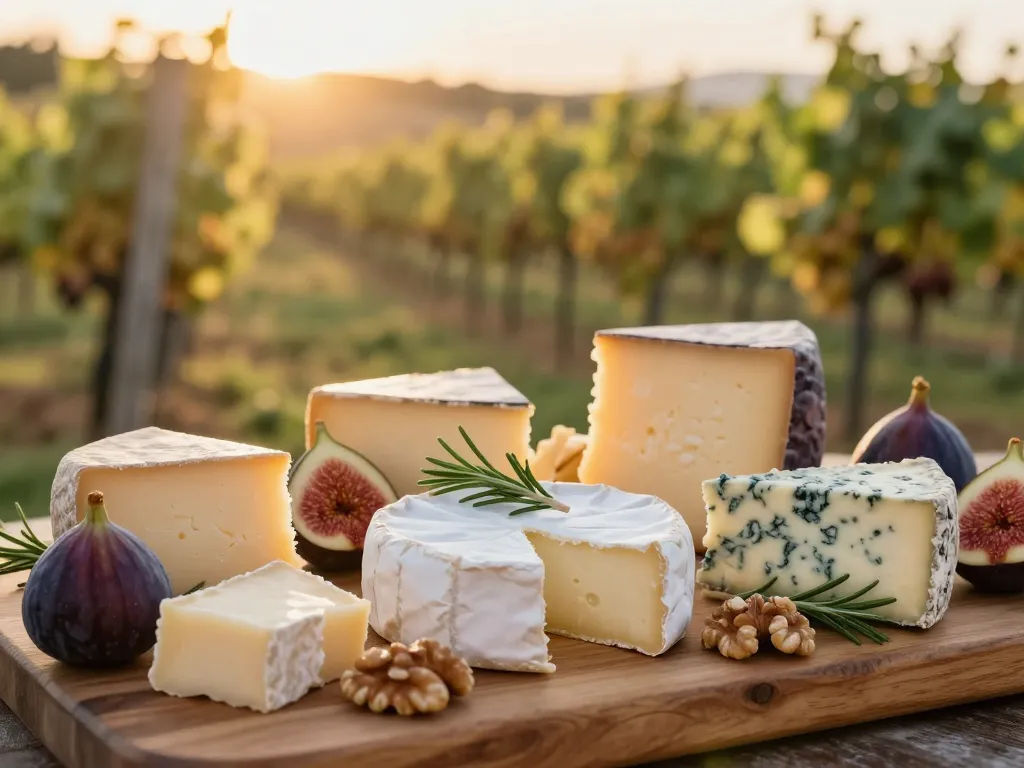
Pairing food with petite sirah can enhance the dining experience by balancing flavors and textures. The wine’s bold character makes it an ideal companion for rich dishes, such as grilled meats, marinades, hearty stews, or gourmet burgers. It also complements spicy Asian cuisines, such as black bean and chili dishes, due to its ability to stand up to bold flavors without being overwhelmed. For those looking to indulge in cheese pairings, try sharp cheddar or aged gouda, which harmonize with petite sirah's complexity.
Serving Suggestions and Temperature
The serving temperature for petite sirah significantly influences its taste and aroma. Ideally, serve this wine slightly cooler than room temperature, around 60-65°F (15-18°C). This temperature allows the flavors and aromas to be most expressive while preserving the wine's structure. Decanting petite sirah for 30 minutes to an hour before serving can also enhance the tasting experience, allowing the wine to breathe and unveil its full character.
Petite Sirah's Popularity and Trends
Current Trends in Wine Consumption
In recent years, there has been a marked shift in wine consumption trends, with more enthusiasts opting for lesser-known varietals over mainstream selections. Consumers are increasingly eager to explore unique flavors and have begun to appreciate wines like petite sirah for their strong profiles and delightful complexities. Social media and wine education platforms play an essential role in spreading awareness, making petite sirah more accessible to a wider audience.
Petite Sirah in the Market
The petite sirah market has shown robust growth, driven by rising demand from both casual consumers and serious wine collectors. Retailers and restaurants are increasingly featuring petite sirah, catering to those seeking bold, unique wines that stand out from traditional selections. Additionally, wineries are increasingly focusing on petite sirah production as consumer interest continues to rise, creating a vibrant marketplace for this distinctive varietal.
Emerging Regions for Petite Sirah Production
While California remains the leading producer of petite sirah, other regions are beginning to cultivate this grape, creating exciting new expressions. Emerging regions, such as Texas Hill Country and parts of Australia, have started to experiment with petite sirah, yielding promising results. These fresh perspectives on the varietal reveal distinct terroirs, challenging the conventional norms and enriching the global petite sirah narrative.
FAQs About Petite Sirah
What is Petite Sirah best known for?
Petite Sirah is known for its rich, bold flavors, full-bodied texture, and deep color, making it popular among red wine enthusiasts.
How should I store Petite Sirah?
Petite Sirah should be stored in a cool, dark place, ideally in a horizontal position to keep the cork moist.
What foods pair well with Petite Sirah?
This wine pairs excellently with hearty dishes like grilled meats, barbeque, and spicy cuisine due to its robust flavor profile.
Is Petite Sirah the same as Syrah?
No, while they share a genetic connection, Petite Sirah and Syrah are distinct varietals, with Petite Sirah having a more concentrated flavor.
What is the ideal serving temperature for Petite Sirah?
Petite Sirah is best served at around 60-65°F (15-18°C) to enhance its rich flavors and aromas.