

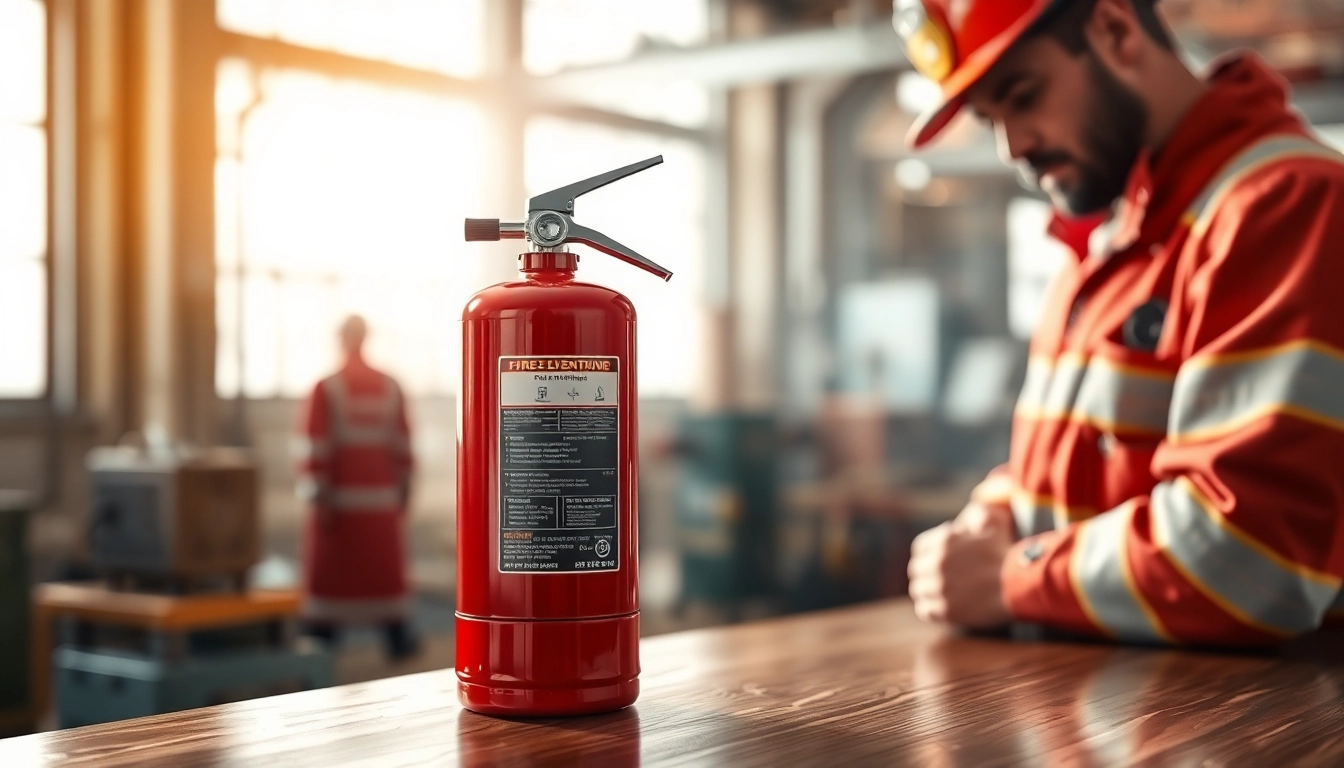
Understanding Electrical Fires and Their Risks
Electrical fires represent a significant risk in residential and commercial settings alike, often igniting from seemingly innocuous causes. In fact, they account for approximately 13% of all reported fire incidents, leading to devastating damages, injuries, and fatalities each year. To effectively combat these fires, it’s vital to understand their underlying causes, cultivate awareness of common misconceptions, and educate ourselves and our communities regarding fire safety. Having the right tools, particularly an electrical fire extinguisher, is essential for safeguarding lives and property.
What Causes Electrical Fires?
Electrical fires can occur due to a variety of reasons, including but not limited to:
- Worn or Frayed Wires: Over time, the insulation on electrical wires can deteriorate, leading to exposed conductors that can spark and ignite surrounding materials.
- Overloaded Circuits: Plugging too many devices into a single outlet or circuit can cause overheating, potentially leading to a fire.
- Faulty Equipment: Appliances that are defective or poorly maintained can malfunction and ignite nearby combustibles.
- Improper Use of Extension Cords: Using extension cords for prolonged periods instead of installing proper outlets contributes significantly to electrical fire hazards.
- Ignoring Warning Signs: Flickering lights, frequently tripped breakers, or burning smells are red flags that should not be ignored.
Common Myths About Electrical Fire Risks
Despite awareness campaigns, many myths about electrical fires still persist. Common misconceptions include:
- Myth: Electrical fires predominantly occur in older homes. While older homes may have outdated wiring, statistically, new homes also experience electrical fires, mainly due to construction oversights or the use of low-quality materials.
- Myth: Extinguishing small fires is always safe to attempt. While it’s crucial to act quickly, one must assess risks before intervention. Having trained personnel and proper equipment is vital.
- Myth: Smoke detectors are enough to prevent electrical fires. While smoke detectors are invaluable for safety, they do not prevent fires. An electrical fire extinguisher is equally important.
The Importance of Fire Safety Education
Education plays a pivotal role in fire prevention. Knowledge about the risks associated with electrical systems, combined with training in basic fire safety, can help mitigate the occurrence of electrical fires. Regular fire drills should be conducted, emphasizing the appropriate use of fire extinguishers and the evacuation process. Providing resources and workshops on fire safety can foster a culture of safety within homes and workplaces, empowering everyone to take proactive measures against potential fire hazards.
Basic Types of Fire Extinguishers
Understanding the various types of fire extinguishers is crucial in tackling different fire scenarios effectively. Fire extinguishers are classified based on the type of fire they are rated to extinguish.
Classification of Fire Extinguishers
Fire extinguishers are classified into five categories:
- Class A: Combustible materials such as wood, cloth, and paper.
- Class B: Flammable liquids like oil, gasoline, and grease.
- Class C: Electrical fires involving wiring, appliances, and circuit breakers.
- Class D: Flammable metals found in industrial settings.
- Class K: Cooking oils and fats, typically used in commercial kitchens.
It’s vital for businesses and homes to have an appropriate selection of extinguishers on hand, particularly Class C fire extinguishers for electrical fires, to ensure safety in the event of an incident.
Choosing the Right Extinguisher for Electrical Fires
When selecting a fire extinguisher specifically for electrical fires, ensure it is classified as Class C. However, consider models that are rated for multi-class usage (i.e., ABC extinguishers), which cover a broader range of fire types. Users should also check if the extinguisher is suitable for use on electrical fires involving circuits rated up to a certain voltage, typically 480 volts. Additionally, look for extinguishers that are portable and easy to use, allowing for swift action in an emergency.
Assessing Extinguisher Ratings and Labels
Fire extinguishers come with labels indicating their class and rating. Familiarity with the ratings can help users quickly identify the right extinguisher during a crisis. Understanding the following elements on the label is essential:
- Class Markings: Denoting the type(s) of fire suited for the extinguisher.
- Numerical Ratings: Indicating the extinguisher’s effectiveness; higher numbers typically denote larger fire-fighting capacity.
- Manufacturer’s Instructions: Guidelines on how to operate the extinguisher safely and effectively.
Installation and Maintenance Practices
Proper installation and ongoing maintenance of fire extinguishers are critical for ensuring they function correctly during emergencies. Regular checks and appropriate positioning are essential aspects of effective fire safety management.
Proper Placement of Electrical Fire Extinguishers
Electrical fire extinguishers should be positioned in accessible and locations that are convenient for all employees or residents. Key considerations include:
- Install extinguishers near potential sources of electrical fires such as computer stations, server rooms, and breaker panels.
- Ensure that extinguishers are mounted on walls at eye level for easy visibility and access.
- Establish a clear path to extinguishers free from obstructions, ensuring quick access in emergencies.
Routine Inspection Checklists
Regular inspection is vital to ensure fire extinguishers remain in good working order. A typical checklist may include the following:
- Check the pressure gauge to ensure it is within the operable range.
- Inspect the physical condition for any signs of corrosion, dents, or leaks.
- Verify that the label is legible and the operating instructions are intact.
- Ensure extinguishers are fully charged and accessible, with no obstructions nearby.
Establish a regular schedule for inspections, ideally monthly, to maintain safety standards.
Signs Your Extinguisher Needs Service
Recognizing when a fire extinguisher requires servicing is crucial. Key indicators include:
- A pressure gauge that falls out of the green zone indicating low pressure.
- Visible damage such as dents, rust, or corrosion.
- Expired inspection tags; most extinguishers require servicing every 6 years and a hydrostatic test every 12 years.
- Any leakage or a broken seal.
Training Your Team on Fire Safety
Education and training are vital components of a comprehensive fire safety strategy. Ensuring that everyone is equipped with the knowledge and skills to respond effectively to fire emergencies can save lives.
Conducting Effective Fire Safety Drills
Fire drills are an excellent way to prepare your team for real emergencies. To conduct effective drills:
- Plan and schedule drills regularly, at least twice a year.
- Include simulations for different fire scenarios, including electrical fires.
- Evaluate the responsiveness and actions of participants post-drill to identify areas for improvement.
Understanding Fire Extinguisher Operation
Proper knowledge of how to operate a fire extinguisher can be the difference between a small, manageable fire and a full-scale emergency. Training should include:
- The acronym PASS (Pull, Aim, Squeeze, Sweep) as a step-by-step guide for usage.
- A hands-on demonstration with access to practice extinguishers.
- Clear guidelines on when to use an extinguisher versus when to evacuate.
Addressing Common Misunderstandings
To foster an efficient fire safety culture, address common misunderstandings proactively, such as:
- The belief that once an extinguisher is used, it doesn’t need servicing or recharging.
- Assumptions that only designated fire personnel should handle extinguishers.
- Viewing an extinguisher as a last-resort tool when proactive prevention should be the primary focus.
Legal Compliance and Best Practices
Understanding and adhering to legal fire safety regulations is critical for all businesses. Compliance not only protects lives but also avoids costly fines and liability issues.
Fire Safety Regulations Explained
Regulations surrounding fire safety vary by location and industry. Key aspects typically include:
- Mandatory installation of fire extinguishers in commercial buildings, with specific guidelines on the number and classification based on the facility’s activities.
- Clear definition of extinguishing systems and their maintenance as outlined by the National Fire Protection Association (NFPA).
Staying well-informed of these regulations ensures your business remains compliant and safeguards against potential legal repercussions.
Keeping Up with Changing Legislation
Fire safety legislation is subject to change, necessitating ongoing education for business owners and safety personnel. Regularly review and adapt fire safety plans and ensure that any updates comply with local and national guidelines, including:
- Staying updated through local fire marshal offices or organizations like the NFPA.
- Attending workshops, webinars, or seminars focused on fire safety and compliance.
Creating a Comprehensive Fire Safety Plan
A well-structured fire safety plan should encompass all aspects of fire safety management. Essential components include:
- Assessment of potential fire risks and assigning responsibilities to team members.
- Implementation of an effective training program for all employees.
- Regular reviews and updates to the plan to adapt to any changes in the property layout or occupational hazards.
Overall, fostering a proactive fire safety culture reinforced by proper tools, education, and legislative compliance can effectively mitigate the risks associated with electrical fires.